
Latest Products



Contact Us
- No.173 Xingqiao North Road, Yuhang District, Hangzhou, Zhejiang 31100, China
- jeson@gordon-elec.com
- +86-0571-8853 8375
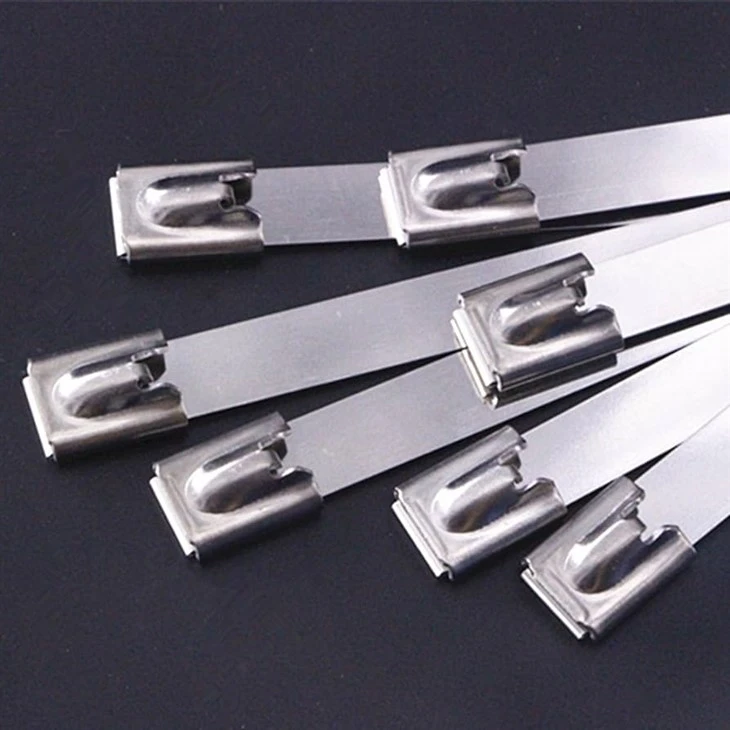
Self Locking Stainless Steel Cable Ties
Self-locking stainless steel cable ties are high-strength, corrosion-resistant fastening tools designed for securing cables in harsh environments. They feature an integrated self-locking mechanism that ensures the tie remains tightly secured once fastened, providing reliable and long-lasting performance. Ideal for use in industries such as electrical, telecommunications, marine, and petrochemical, these cable ties can withstand extreme temperatures, humidity, and other adverse conditions. Their durable stainless steel construction makes them suitable for both indoor and outdoor applications where dependability and strength are paramount.
Hangzhou Gordon Electric Co., Ltd. is one of the most reliable manufacturers and suppliers of self locking stainless steel cable ties in China, also supports custom service. Please feel free to wholesale advanced self locking stainless steel cable ties made in China here from our factory.
The production process of self-locking stainless steel cable ties involves several key stages to ensure they meet high standards of strength, durability, and reliability. Here is a detailed overview of the process:
Material Selection: The process begins with the selection of high-quality stainless steel, typically grades such as 304 or 316, which offer excellent corrosion resistance and mechanical properties. These grades are chosen based on the intended application and environmental conditions the cable ties will face.
Sheet Metal Cutting: The stainless steel material is delivered in large rolls or sheets. These are then cut into precise widths and lengths using automated cutting machines. The dimensions of the strips are carefully controlled to meet the specific requirements of the final product.
Forming and Stamping: The cut strips are fed into forming and stamping machines. In this stage, the strips are shaped into the desired profile of the cable tie, including the band and the self-locking mechanism. Stamping machines create the necessary features, such as the locking head and the serrated surface on the band that allows for secure locking.
Heat Treatment: To enhance the mechanical properties of the stainless steel, the formed cable ties may undergo heat treatment processes. This step improves the material's tensile strength and ensures that the ties can withstand high tension without breaking.
Surface Treatment: Depending on the application, the surface of the cable ties might be treated for additional protection. This can include passivation, which removes any free iron from the surface and enhances corrosion resistance, or coating with materials like Teflon for additional durability in specific environments.
Quality Control: Throughout the manufacturing process, rigorous quality control measures are in place. This includes checking the dimensions, tensile strength, and locking mechanism functionality of the cable ties. Any defects are identified and corrected to ensure that only high-quality products proceed to the next stage.
Assembly: The cable ties are assembled, with the locking mechanisms being inserted and secured into the bands. This step is usually automated to ensure consistency and precision. The self-locking feature is tested to ensure it functions correctly, providing reliable locking performance.
Packaging: Once the cable ties have passed all quality control checks, they are packaged for distribution. The packaging process is designed to protect the ties from damage during transit and storage. Labels indicating size, material grade, and batch number are applied for traceability.
| Material: | 201/304 /316 stainless steel |
| Structure: | Self locking, ball bearing mechanism for quick and easy installation,either by hand |
| Working temperature: | -80℃-500℃ |
| Length: | All lengths are available |
| Feature: | High tensile strength/ Rust poof/ Non-flammability/ Anti corrosion/ High resistance to aceticacid,alkaliacid,suiphuric acid, acorrode etc… |
| Certificate: | SGS, RoHS, CE |
| Delivery time: | 3-15 days (Depend on your order quantity) after confirm order. |
| Payment terms: | T/T,Western Union,L/C ,PayPal |
Small Metal Cable Tie Parameters
| PART NO. | APPROX.LENGTH | APPROX.WIDTH | MAX.BUNDLE DIA. | MIN.LOOP TENSILE |
| MM(INCH) | MM(INCH) | MM(INCH) | STRENGTH N(LBS) | |
| GDCT-4.6x150 | 150(5.9) | 4.6(0.181) | 37(1.46) | 600(135) |
| GDCT-4.6x200 | 200(7.87) | 50(1.97) | ||
| GDCT-4.6x250 | 250(9.84) | 63(2.48) | ||
| GDCT-4.6x300 | 300(11.8) | 76(2.99) | ||
| GDCT-4.6x350 | 350(13.78) | 89(3.50) | ||
| GDCT-4.6x400 | 400(15.75) | 102(4.02) | ||
| GDCT-4.6x450 | 450(17.72) | 115(4.53) | ||
| GDCT-4.6x500 | 500(19.69) | 128(5.04) | ||
| GDCT-4.6x550 | 550(21.65) | 141(5.55) | ||
| GDCT-4.6x600 | 600(23.62) | 154(6.06) |
How To Long Metal Cable Ties

A Guide to Using it
First, select the appropriate size and length of the zip tie for your task. Then, feed the end of the tie through the locking mechanism, ensuring it is securely engaged. Next, wrap the zip tie around the items you wish to secure, making sure it is snug but not overly tight. Once positioned correctly, pull the loose end of the tie to tighten it further. Finally, use wire cutters or scissors to trim any excess length of the zip tie for a neat finish. The locking mechanism ensures that the tie remains securely fastened, providing reliable support for cables, wires, hoses, and other items in homes, offices, automotive, and outdoor settings.
high quality
Advanced Equipment
Professional Team
One-Stop Solution


Product Certificate


FAQ:
1. What materials are used in the production of self-locking stainless steel cable ties and why are they chosen?
The production of self-locking stainless steel cable ties begins with the selection of high-quality stainless steel, typically grades such as 304 or 316. These materials are chosen due to their excellent corrosion resistance and mechanical properties. Grade 304 stainless steel is widely used for its good corrosion resistance and formability, making it suitable for general applications. Grade 316 stainless steel offers superior resistance to chlorides and acidic environments, making it ideal for marine and industrial applications where exposure to harsh conditions is common. The choice of material is critical to ensuring the cable ties can withstand the environmental conditions they will face, maintaining their strength and reliability.
2. How does the heat treatment process enhance the properties of self-locking stainless steel cable ties?
The heat treatment process is a crucial stage in the production of self-locking stainless steel cable ties. This process involves heating the formed cable ties to a specific temperature and then cooling them at a controlled rate. Heat treatment improves the mechanical properties of the stainless steel by increasing its tensile strength and toughness. This ensures that the cable ties can withstand high tension without breaking, making them suitable for securing heavy loads or in applications where strong, durable fastening is required. By enhancing these properties, heat treatment ensures the cable ties perform reliably even under extreme conditions.
3. What quality control measures are implemented during the manufacturing of self-locking stainless steel cable ties?
Throughout the manufacturing process of self-locking stainless steel cable ties, rigorous quality control measures are implemented to ensure high standards are met. These measures include checking the dimensions, tensile strength, and locking mechanism functionality of the cable ties. Automated inspection systems and manual checks are used to identify any defects, such as improper forming, incomplete locking mechanisms, or surface irregularities. Any identified defects are corrected to ensure only high-quality products proceed to the next stage. This meticulous attention to quality ensures that the cable ties deliver reliable performance and meet industry standards for durability and strength.
4. How are self-locking mechanisms tested during the assembly of stainless steel cable ties?
During the assembly of stainless steel cable ties, the self-locking mechanisms are thoroughly tested to ensure they function correctly. This step typically involves automated systems that insert and secure the locking mechanisms into the bands with precision. The self-locking feature is then tested by applying tension to the cable ties to verify that the locking head engages properly and maintains a secure hold. This testing ensures that the ties will not slip or loosen once fastened, providing reliable locking performance. Consistent and precise assembly, along with rigorous testing, ensures that each cable tie meets the required standards for strength and reliability.
Hot Tags: self locking stainless steel cable ties, China, suppliers, manufacturers, factory, custom, wholesale, black stainless steel cable ties, stainless steel cable tie gun, stainless steel wire straps, Stainless Steel Marker Plate, heavy duty stainless steel cable ties, wire ties metal
You Might Also Like


