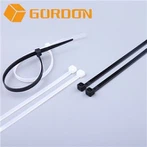
In the labyrinth of industrial machinery and electrical systems, ensuring the seamless transmission of power and data hinges on robust cable management solutions. Amidst the plethora of components vying for attention, Tensile Nylon Cable Glands emerge as stalwart guardians of cable integrity and reliability. But what exactly sets these cable glands apart, and how do they elevate cable management practices in the demanding realm of industrial operations?
Unraveling the Mechanics of Tensile Nylon Cable Glands
At the heart of Tensile Nylon Cable Glands lies a blend of engineering ingenuity and material science prowess. Crafted from high-quality nylon, these glands boast exceptional tensile strength, allowing them to withstand significant mechanical stress and strain without succumbing to deformation or failure. This inherent strength forms the foundation of their ability to anchor cables securely in place, even in the face of relentless vibrations, movements, and tension.
The Role of Secure Cable Anchoring
Picture a bustling industrial facility teeming with machinery in constant motion. In such environments, the risk of cables being jostled, pulled, or tugged is ever-present. Tensile Nylon Cable Glands mitigate this risk by providing a secure anchoring point for cables, effectively preventing unintended disconnections or damage. By gripping cables firmly and distributing tension evenly, these glands ensure uninterrupted signal transmission and minimize the likelihood of downtime due to cable-related issues.
Versatility and Adaptability
One size seldom fits all in the world of industrial cable management. Recognizing this, Tensile Nylon Cable Glands come in a variety of sizes, configurations, and thread types to accommodate the diverse needs of different applications. Whether it's a single cable or a bundle of wires, these glands offer versatility and adaptability, allowing for seamless integration into existing systems with minimal downtime or disruption.
Resilience in Harsh Environments
Industrial settings are notorious for their harsh operating conditions, ranging from extreme temperatures to corrosive chemicals and abrasive materials. Tensile Nylon Cable Glands rise to the challenge, exhibiting exceptional resilience in the face of environmental adversity. Their corrosion-resistant properties, coupled with a high degree of ingress protection, make them ideal for outdoor installations, hazardous environments, and applications subject to moisture, dust, or debris.
Certifications and Compliance
Quality and reliability are non-negotiable in critical industrial applications. Tensile Nylon Cable Glands adhere to stringent industry standards and certifications, such as IP ratings and UL recognition, affirming their reliability and performance. Compliance with these standards instills confidence in the integrity of installations, ensuring they meet regulatory requirements and uphold safety standards.
Applications Across Industries
From manufacturing plants and processing facilities to automotive assembly lines and renewable energy projects, Tensile Nylon Cable Glands find widespread application across a myriad of industries. Their ability to enhance cable management practices, ensure secure connections, and withstand the rigors of industrial environments makes them indispensable components in critical systems where reliability, efficiency, and safety are paramount.
Conclusion
In the complex ecosystem of industrial machinery and electrical systems, where the seamless flow of power and data is imperative, Tensile Nylon Cable Glands emerge as unsung heroes of cable management. Their robust construction, secure anchoring capabilities, and resilience in harsh environments make them indispensable components in ensuring the reliability, efficiency, and safety of industrial operations. As industries continue to evolve, the significance of Tensile Nylon Cable Glands in elevating cable management practices remains unequivocal.