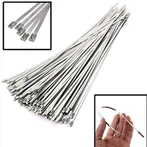
1. Application of stainless steel cable ties in the oil and gas field
2. The ultimate fixing solution for oil and gas pipelines and drilling platforms
3. Coping with the harsh environment of the oil and gas industry and ensuring stable operation of facilities
4. The key role of stainless steel cable ties in oil and gas facilities
1. Application Of Stainless Steel Cable Ties In The Oil And Gas Field
In the oil and gas field, the operational environment is extremely harsh, presenting numerous challenges to the integrity and functionality of various facilities. Stainless steel cable ties, also known as stainless steel zip ties or stainless steel wire ties, play a crucial and diverse role in this demanding industry.
During the exploration and extraction processes in oil and gas fields, a vast array of cables and pipelines need to be properly organized and secured. Stainless steel cable ties are ideal for bundling and fixing electrical cables that power the drilling equipment, sensors, and communication systems. Their high strength ensures that the cables remain in place even under the intense vibrations generated by the operation of heavy machinery. For instance, in onshore oil wells, where the equipment runs continuously, the stainless steel cable ties can firmly hold the cables together, preventing them from getting tangled or damaged due to movement.
In offshore oil and gas platforms, the corrosive nature of the seawater poses a significant threat to metal components. However, stainless steel cable ties, especially those made from high-quality stainless steel alloys like 316 stainless steel, exhibit excellent corrosion resistance. They can withstand the constant exposure to saltwater, humidity, and marine atmospheres without deteriorating quickly. These stainless steel zip ties are used to fasten pipelines carrying oil, gas, and other fluids, ensuring a secure connection and preventing leaks. They also play a vital role in organizing and protecting the various control cables and hoses on the platform, maintaining the overall reliability of the facility.
Moreover, in the transportation and storage sections of the oil and gas industry, stainless steel cable ties are utilized to secure the pipelines and containers. Whether it's the long-distance pipelines traversing through different terrains or the storage tanks in refineries, these stainless steel wire ties provide a reliable and durable fixing solution. They can endure the mechanical stresses and environmental factors, such as temperature fluctuations and soil corrosion, ensuring the safe and efficient operation of the entire oil and gas production and distribution system.
2. The Ultimate Fixing Solution For Oil And Gas Pipelines And Drilling Platforms
Oil and gas pipelines and drilling platforms are the lifelines of the oil and gas industry, and their stable operation depends on reliable fixing solutions. Stainless steel cable ties, including stainless steel zip ties and stainless steel wire ties, have emerged as the ultimate choice for securing these critical components.
For oil and gas pipelines, which often span long distances and pass through various challenging terrains, stainless steel cable ties offer several advantages. They can firmly hold the pipeline sections together, ensuring a tight and leak-proof connection. In areas with high seismic activity or where the pipelines are subject to mechanical stress, such as bends or junctions, these stainless steel cable ties provide additional reinforcement. They can withstand the pressure and tension exerted on the pipelines, preventing any potential damage or separation. Additionally, when it comes to insulating the pipelines to prevent heat loss or maintain the temperature of the transported fluids, stainless steel cable ties are used to secure the insulation materials in place, enhancing the overall efficiency of the pipeline system.
On drilling platforms, the complexity of the equipment and the harsh marine environment require a robust fixing solution. Steel zip ties are extensively used to manage the numerous cables and wires that are essential for the operation of the drilling machinery, control systems, and safety devices. By neatly bundling the cables, they prevent entanglement and damage, ensuring smooth electrical and communication functions. Moreover, these ties are used to fasten various structural components of the platform, such as handrails, ladders, and support frames, enhancing the stability and safety of the platform. The corrosion resistance of stainless steel makes the stainless steel wire ties particularly suitable for the offshore environment, where they can maintain their integrity over an extended period, reducing the need for frequent replacements and maintenance.
In summary, stainless steel cable ties are the ultimate fixing solution for oil and gas pipelines and drilling platforms, providing the necessary strength, durability, and corrosion resistance to ensure the safe and efficient operation of these vital facilities.


3. Coping With The Harsh Environment Of The Oil And Gas Industry And Ensuring Stable Operation Of Facilities
The oil and gas industry operates in some of the most challenging environments on earth, from the deep sea to the arid deserts. To ensure the stable operation of facilities in such harsh conditions, cable ties, also known as stainless steel zip ties and stainless steel wire ties, have become an indispensable component.
In the offshore oil and gas sector, the exposure to seawater, high humidity, and strong winds is a constant threat to the integrity of equipment and structures. Stainless steel cable ties made from corrosion-resistant stainless steel alloys, such as 316 stainless steel, are highly effective in withstanding these harsh marine elements. They are used to secure the cables, pipelines, and other components on the drilling platforms, preventing corrosion and damage caused by the saltwater and humidity. For example, they are used to fasten the electrical cables that power the lighting systems, communication devices, and safety equipment on the platform, ensuring their continuous operation even in the face of the harsh marine environment.
In onshore oil and gas fields located in deserts or areas with extreme temperature variations, stainless steel zip ties play a crucial role. The high temperatures during the day and the significant drops at night can cause materials to expand and contract, potentially leading to damage to the cables and pipelines. Stainless steel cable ties, with their excellent thermal stability, can maintain their mechanical properties under these extreme temperature conditions. They securely hold the cables and pipelines in place, preventing any movement or disconnection due to thermal stress. Additionally, in areas with sandy or abrasive environments, these steel wire ties protect the cables and pipelines from abrasion and damage, ensuring the smooth flow of oil and gas.
Furthermore, in chemical processing plants within the oil and gas industry, where corrosive chemicals are present, stainless steel cable ties offer reliable protection. They can resist the corrosion caused by these chemicals, safeguarding the cables and equipment from damage. Whether it's securing the control cables in the chemical reactors or fixing the pipelines carrying corrosive fluids, these stainless steel cable ties ensure the stable operation of the facilities and the safety of the workers.
4. The Key Role Of Stainless Steel Cable Ties In Oil And Gas Facilities
Oil and gas facilities are complex systems that require reliable and durable components to ensure their efficient operation. Stainless steel cable ties, including stainless steel zip ties and stainless steel wire ties, play a key role in maintaining the integrity and functionality of these facilities.
In the electrical systems of oil and gas facilities, steel cable ties are essential for organizing and securing the cables. The electrical infrastructure in these facilities is extensive, with numerous cables carrying power, signals, and data. By using stainless steel cable ties to bundle the cables together, they can be neatly arranged, reducing the risk of electrical interference and making maintenance and troubleshooting easier. These steel zip ties also prevent the cables from being damaged by external forces, such as mechanical stress or abrasion, ensuring the continuous supply of electricity to the various equipment and systems.
For the pipeline systems in oil and gas facilities, stainless steel wire ties are crucial for maintaining the integrity of the pipelines. They are used to fasten the pipeline sections, flanges, and valves, ensuring a secure and leak-proof connection. In addition, when it comes to the installation of insulation materials on the pipelines to improve energy efficiency or prevent condensation, stainless steel cable ties are used to hold the insulation in place. Their strength and durability ensure that the insulation remains intact even under harsh operating conditions, such as high pressure and temperature.
In the safety systems of oil and gas facilities, stainless steel cable ties also play a vital role. They are used to secure the safety devices, such as fire alarms, emergency shutdown systems, and gas detectors. By ensuring the proper installation and positioning of these safety devices, steel cable ties contribute to the overall safety of the facilities and the protection of the workers. Their corrosion resistance and high strength make them reliable components in the safety infrastructure, even in the most demanding environments.
In conclusion, stainless steel cable ties are a key component in oil and gas facilities, providing the necessary support and protection for the electrical, pipeline, and safety systems, and ensuring the smooth and safe operation of these vital industrial facilities.