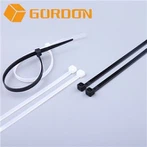
High-quality cable joints may seem insignificant, but they are key guardians at the cable entry point, effectively preventing moisture, mechanical stress, and electrical hazards.

Why Is Electrical Safety Critical in EV Charging Stations?
As electric vehicles (EVs) become mainstream across residential, commercial, and public infrastructure, EV charging stations are rapidly expanding worldwide. With higher charging power levels-ranging from 7kW AC wallboxes to 350kW DC fast chargers-electrical safety is no longer optional; it is fundamental. EV charging systems operate under continuous high load conditions, often outdoors, exposed to rain, dust, vibration, and temperature fluctuations. Poor electrical protection can result in insulation failure, overheating, short circuits, equipment downtime, or even fire hazards. For facility managers, installers, and EV infrastructure investors, ensuring electrical integrity directly impacts user safety, regulatory compliance, and long-term operational reliability.
What Are the Key Electrical Risks in EV Charging Installations?
EV charging stations face multiple electrical challenges. First, high current transmission increases the risk of heat buildup if cable terminations are not properly sealed and secured. Second, outdoor environments expose systems to moisture ingress, which can cause corrosion, insulation degradation, and arc faults. Third, vibration from traffic or improper installation can loosen connections over time. Finally, dust and environmental contaminants may compromise enclosure integrity.
Many safety incidents are not caused by the charger unit itself but by weak connection points-especially cable entry areas. These vulnerable interfaces require robust sealing and strain relief to prevent failures. That is where high-quality cable glands play a crucial protective role.
How Do High-Quality Cable Glands Improve EV Charging Safety?
Cable glands are mechanical devices designed to securely attach and seal the end of an electrical cable to equipment. In EV charging stations, they serve three essential functions: environmental sealing, strain relief, and electrical continuity (including grounding for armored cables).
A high-quality cable gland prevents water, dust, and foreign objects from entering the enclosure. When properly rated (such as IP65, IP66, IP67, or IP68), they ensure protection against heavy rain and temporary immersion. Additionally, they provide mechanical strain relief, preventing cable pull-out or internal conductor damage caused by tension or movement. In DC fast charging systems, where cable weight and stiffness are significant, proper strain relief is especially important to maintain long-term reliability.
What Standards Should Cable Glands Meet for EV Applications?
Compliance with international standards is critical for EV infrastructure projects. Cable glands used in charging stations should meet relevant certifications such as IEC 62444, EN 50262, UL standards (for North America), and RoHS compliance. For outdoor installations, UV resistance and corrosion-resistant materials-such as nickel-plated brass or stainless steel-are highly recommended.
For high-power DC chargers, EMC (electromagnetic compatibility) cable glands may also be necessary to maintain shielding continuity and minimize electromagnetic interference. Selecting certified and tested cable glands ensures that the entire charging system passes inspection and meets regulatory requirements.
Why Does Material Selection Matter in Outdoor Charging Stations?
EV charging stations are frequently installed in parking lots, highways, residential complexes, and industrial sites. Environmental exposure can be severe: UV radiation, salt spray (in coastal areas), temperature extremes, and mechanical impact.
Plastic (nylon) cable glands may be suitable for standard AC wall chargers in mild environments, offering lightweight and cost-effective solutions. However, for high-traffic public chargers or industrial-grade fast chargers, metal cable glands-such as brass or stainless steel-offer superior durability, mechanical strength, and corrosion resistance. Selecting the correct material extends equipment lifespan and reduces maintenance costs.
How Can Proper Installation Reduce Long-Term Maintenance Costs?
Even the highest-quality cable gland cannot perform effectively if improperly installed. Correct tightening torque, appropriate cable diameter matching, and proper sealing washer placement are essential. Installers should ensure that the gland's clamping range matches the cable outer diameter to achieve optimal compression sealing.
By investing in quality components and professional installation from the beginning, operators can significantly reduce the risk of water ingress, electrical faults, and unplanned downtime. Over the lifetime of an EV charging station, preventive measures at the cable entry level can save thousands in maintenance and repair expenses.
What Should Buyers Consider When Choosing Cable Glands for EV Projects?
For procurement managers, electrical contractors, and EV charging equipment manufacturers, selecting the right cable gland involves more than comparing prices. Beyond the basic specifications, decision-makers should evaluate how the component performs under real operating conditions. EV charging infrastructure is typically expected to operate continuously for years with minimal maintenance. Therefore, long-term reliability, lifecycle cost, and risk mitigation should be central considerations during the selection process-not just initial purchase price.
In addition to IP ratings, buyers should assess whether the cable gland has been tested under dynamic environmental conditions such as thermal cycling, vibration resistance, and impact resistance. EV charging stations installed in public areas are often exposed to mechanical stress from frequent cable handling, accidental impacts, or vehicle movement. A cable gland that maintains sealing integrity under these stresses significantly reduces the likelihood of internal moisture ingress, which is one of the leading causes of electrical failure.
Another important factor is compatibility with cable types and sizes commonly used in EV systems. High-power DC fast chargers utilize thicker, heavier cables that require enhanced clamping strength and stable compression performance. If the gland's clamping range does not perfectly match the cable outer diameter, the sealing ring may fail to provide adequate compression, compromising both waterproofing and strain relief. Procurement teams should request detailed technical drawings, torque specifications, and clamping range data to ensure precise matching.
From a compliance perspective, third-party certifications are not merely formalities-they are risk management tools. IEC, UL, and CE approvals confirm that the product has undergone standardized testing for safety and performance. In large infrastructure projects, especially government or utility-backed EV deployments, documentation and traceability are essential. Selecting certified cable glands simplifies inspection processes and reduces approval delays during project commissioning.
Supply chain stability is another strategic consideration. As EV infrastructure scales globally, consistent product availability becomes critical. Working with a manufacturer that has stable production capacity, quality control systems (such as ISO-certified management systems), and global distribution support can help prevent project delays. Reliable suppliers also provide technical support, customization options, and after-sales service-factors that can greatly benefit EPC contractors and OEM manufacturers.
Finally, lifecycle cost analysis should be part of the procurement decision. While a lower-cost gland may reduce initial expenditure, premature failure can lead to downtime, field service labor, equipment replacement, and reputational damage. In high-utilization public charging networks, even short interruptions can result in revenue loss and customer dissatisfaction. Investing in high-quality cable glands with proven durability ultimately reduces total cost of ownership and strengthens system reliability.