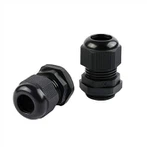
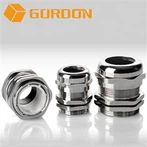
Cable glands, also known as cable connectors or cable fittings, play a crucial role in various industries where cables are used for power transmission, data communication, or control purposes. These specialized components serve to secure and protect cables, ensuring proper connections and maintaining safety standards. Let's delve into the importance, types, and applications of cable glands in different industries.
Importance of Cable Glands:
Cable glands serve multiple essential functions:
Cable Protection: They provide mechanical support and strain relief, preventing cables from being pulled or twisted, which could lead to damage or disconnection.
Environmental Protection: Cable glands create a seal around the cable entry point, safeguarding against moisture, dust, and other environmental factors that could compromise cable integrity.
Safety: Properly installed cable glands help prevent the ingress of flammable gases or liquids, reducing the risk of fire or explosions in hazardous environments.
Electromagnetic Interference (EMI) Shielding: Some cable glands come with EMI shielding features to minimize electromagnetic interference, ensuring signal integrity in sensitive applications.
Types of Cable Glands:
Compression Glands: These are the most common type, consisting of a compression nut and sealing insert. As the nut tightens, it compresses the insert around the cable, forming a tight seal.
Exe/Exd Glands: Designed for use in hazardous areas, these glands are explosion-proof and flameproof, minimizing the risk of ignition in potentially explosive atmospheres.
Armored Cable Glands: Suitable for armored cables, these glands feature additional clamping mechanisms to secure the cable's metal armor, providing enhanced protection and strain relief.
Adaptable Glands: These versatile glands accommodate cables of different sizes, reducing inventory requirements and simplifying installation.
Hygienic Glands: Commonly used in food, pharmaceutical, and cleanroom environments, these glands feature smooth surfaces and minimal crevices to prevent bacterial growth and facilitate easy cleaning.
Applications of Cable Glands:
Cable glands find widespread use across various industries:
Oil & Gas: In oil rigs and refineries, cable glands are essential for securing power and control cables in hazardous areas where explosive gases may be present.
Manufacturing: Cable glands are used in machinery and equipment installations to protect cables from mechanical stress and environmental contaminants.
Telecommunications: They play a critical role in telecom infrastructure, securing fiber optic cables and data transmission lines in outdoor environments.
Renewable Energy: Cable glands are employed in solar and wind energy installations to protect cables from harsh weather conditions and ensure reliable power generation.
Marine: In maritime applications, cable glands provide watertight seals for cables passing through bulkheads and decks on ships and offshore platforms.
In conclusion, cable glands are indispensable components in various industries, providing essential protection, safety, and reliability for cable installations. Understanding their importance, types, and applications is crucial for ensuring efficient and secure cable management in diverse operational environments.