
Latest Products



Contact Us
- No.173 Xingqiao North Road, Yuhang District, Hangzhou, Zhejiang 31100, China
- jeson@gordon-elec.com
- +86-0571-8853 8375

Industrial Metal Zip Tie
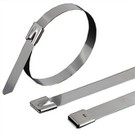
The core advantage of Industrial Metal Zip Ties stems from their carefully selected metal base materials. They primarily utilize three materials: 304 stainless steel, 316 stainless steel, and galvanized steel, each with its unique performance characteristics and application scenarios.
Hangzhou Gordon Electric Co., Ltd. is one of the most reliable manufacturers and suppliers of industrial metal zip tie in China, also supports custom service. Please feel free to wholesale advanced industrial metal zip tie made in China here from our factory.
The corrosion resistance of industrial metal zip ties is another core advantage. Stainless steel, particularly 316 stainless steel, exhibits excellent corrosion resistance. 316 stainless steel contains molybdenum, which resists salt spray and chloride corrosion, making it especially suitable for marine, chemical, and high-humidity applications.
The corrosion resistance of metal zip ties can be verified through salt spray testing. High-quality 304 stainless steel zip ties can pass a 1000-hour salt spray test without rusting, meeting the GB/T 20878 standard. This superior corrosion resistance allows metal zip ties to be used for extended periods in harsh environments, far exceeding the lifespan of traditional materials.
Metal zip ties have good resistance to various chemicals, including acids, bases, solvents, and salt spray. This broad chemical resistance allows them to be safely used in extreme conditions such as chemical plants, refineries, and marine environments. Unlike nylon zip ties, which are easily corroded by gasoline, metal zip ties can be safely used for securing fuel lines.
Self-Locking Mechanism Design
The self-locking mechanism of the Industrial Metal Zip Tie is one of its unique technical features. There are two main types of self-locking mechanisms: ball-type and ratchet-type.
The ball-type self-locking mechanism is the core technology of the metal zip tie. The self-locking stainless steel zip tie buckle contains a rolling steel ball, which is crucial for the tie's self-locking function. When the tail of the zip tie is inserted through the head, the ball rolls inward with the direction of the tie; when the tie is tightened to the appropriate position and released, the tie will have an outward force, causing the ball to roll back, thus locking the tie and preventing it from loosening. The advantages of this design are smooth installation, secure locking, and unidirectional locking to prevent loosening.
These self-locking mechanisms ensure that the metal zip tie provides reliable fastening, and once locked, it cannot be loosened in the reverse direction, guaranteeing safety in vibrating and harsh environments.


Quality Assurance & Certifications
We stand behind every cable tie with rigorous quality control:
ISO 9001 certified manufacturing process
CE and RoHS compliance for global markets
Materials tested per ASTM A666 and ISO 3506 standards
500-hour salt spray testing (GB/T 10125) for 316L models
Full traceability from raw material to finished product


FAQ
What is the lifespan of an industrial metal zip tie? How much does the lifespan vary in different environments?
The lifespan of a metal zip tie is primarily determined by the base material, coating, and operating environment. Without external damage or severe corrosion, it lasts much longer than nylon zip ties. Specific lifespans are as follows:
304 stainless steel + epoxy coating (indoor dry environment): Lifespan ≥ 10 years;
304 stainless steel + epoxy coating (outdoor general environment): Lifespan ≥ 8 years;
316 stainless steel + thickened epoxy coating (marine/chemical corrosive environment): Lifespan ≥ 5 years;
Uncoated 304 stainless steel (indoor environment): Lifespan ≥ 8 years; in outdoor environments, it is prone to oxidation, reducing the lifespan to 3-5 years.
Hot Tags: industrial metal zip tie, China, suppliers, manufacturers, factory, custom, wholesale, ties steel, stainless tie wraps, steel cable zip ties, metal tie wraps, reusable ss cable ties, plastic coated stainless steel cable ties
| PART NO. | APPROX.LENGTH | APPROX.WIDTH | MAX.BUNDLE DIA. | MIN.LOOP TENSILE |
| MM(INCH) | MM(INCH) | MM(INCH) | STRENGTH N(LBS) | |
| GDCT-4.6x150 | 150(5.9) | 4.6(0.181) | 37(1.46) | 600(135) |
| GDCT-4.6x200 | 200(7.87) | 50(1.97) | ||
| GDCT-4.6x250 | 250(9.84) | 63(2.48) | ||
| GDCT-4.6x300 | 300(11.8) | 76(2.99) | ||
| GDCT-4.6x350 | 350(13.78) | 89(3.50) | ||
| GDCT-4.6x400 | 400(15.75) | 102(4.02) | ||
| GDCT-4.6x450 | 450(17.72) | 115(4.53) | ||
| GDCT-4.6x500 | 500(19.69) | 128(5.04) | ||
| GDCT-4.6x550 | 550(21.65) | 141(5.55) | ||
| GDCT-4.6x600 | 600(23.62) | 154(6.06) | ||
| PART NO. | APPROX.LENGTH | APPROX.WIDTH | MAX.BUNDLE DIA. | MIN.LOOP TENSILE |
| MM(INCH) | MM(INCH) | MM(INCH) | STRENGTH N(LBS) | |
| GDCT-7.9x150 | 150(5.9) | 7.9(0.311) | 37(1.46) | 800(180) |
| GDCT-7.9x200 | 200(7.87) | 50(1.97) | ||
| GDCT-7.9x250 | 250(9.84) | 63(2.48) | ||
| GDCT-7.9x300 | 300(11.8) | 76(2.99) | ||
| GDCT-7.9x350 | 350(13.78) | 89(3.50) | ||
| GDCT-7.9x400 | 400(15.75) | 102(4.02) | ||
| GDCT-7.9x450 | 450(17.72) | 115(4.53) | ||
| GDCT-7.9x500 | 500(19.69) | 128(5.04) | ||
| GDCT-7.9x550 | 550(21.65) | 141(5.55) | ||
| GDCT-7.9x600 | 600(23.62) | 154(6.06) | ||
| GDCT-7.9x650 | 650(25.59) | 167(6.57) | ||
| GDCT-7.9x700 | 700(27.56) | 180(7.09) | ||
| GDCT-7.9x750 | 750(29.53) | 191(7.52) | ||
| GDCT-7.9x800 | 800(31.5) | 193(7.59) | ||
| PART NO. | APPROX.LENGTH | APPROX.WIDTH | MAX.BUNDLE DIA. | MIN.LOOP TENSILE |
| MM(INCH) | MM(INCH) | MM(INCH) | STRENGTH N(LBS) | |
| GDCT-12x200 | 200(7.87) | 12(0.472) | 50(1.97) | 1200(270) |
| GDCT-12x250 | 250(9.84) | 63(2.48) | ||
| GDCT-12x300 | 300(11.8) | 76(2.99) | ||
| GDCT-12x350 | 350(13.78) | 89(3.50) | ||
| GDCT-12x400 | 400(15.75) | 102(4.02) | ||
| GDCT-12x450 | 450(17.72) | 115(4.53) | ||
| GDCT-12x500 | 500(19.69) | 128(5.04) | ||
| GDCT-12x550 | 550(21.65) | 141(5.55) | ||
| GDCT-12x600 | 600(23.62) | 154(6.06) | ||
| GDCT-12x650 | 650(25.59) | 167(6.57) | ||
| GDCT-12x700 | 700(27.56) | 180(7.09) |
You Might Also Like


