How Do Metal Cable Glands Improve Cable Protection in Harsh Conditions?
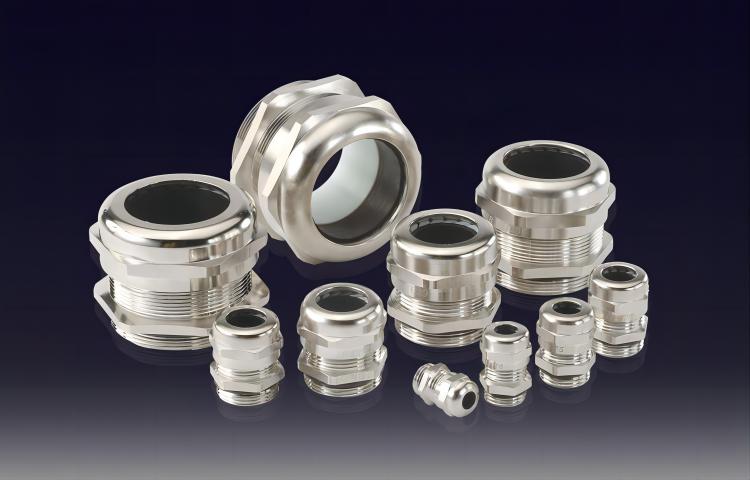
Metal cable glands are critical components used in electrical installations, industrial equipment, control cabinets, and automation systems to protect cables where they enter enclosures or equipment. In harsh operating environments, cables are exposed to mechanical stress, moisture, dust, chemicals, temperature changes, and vibration. Without proper protection at the cable entry point, insulation damage, sealing failure, and equipment downtime may occur.
For B2B buyers, selecting the correct metal cable gland is not only about matching cable diameter. The gland structure, material, sealing performance, strain relief capability, protection rating, and installation conditions all influence the overall reliability of the cable management system.
Understanding how metal cable glands improve cable protection helps engineers, electrical contractors, and OEM manufacturers select suitable solutions for demanding industrial applications.
Metal Cable Glands Provide Mechanical Protection at Cable Entry Points
The cable entry area is one of the most vulnerable parts of an electrical system. When cables pass through metal enclosures, junction boxes, or control panels, they may experience bending, pulling forces, and external impact.
A metal cable gland creates a secure connection between the cable and the equipment enclosure. Its rigid metal structure helps prevent excessive movement and protects the cable from mechanical damage.
The main protection functions include:
- Preventing cable pulling stress from transferring to internal connections
- Reducing bending stress near cable entry points
- Protecting cable insulation from sharp enclosure edges
- Maintaining stable cable positioning during operation
In industrial applications such as machinery, electrical cabinets, and automation systems, mechanical strain relief is essential because cables often experience continuous movement and vibration.
Stainless Steel and Metal Materials Improve Environmental Resistance
The material of a metal cable gland directly affects its performance in harsh conditions.
Common materials used for metal cable glands include:
Brass Cable Glands
Brass cable glands are widely used in industrial electrical applications because of their good mechanical strength, corrosion resistance, and machining performance.
Typical applications include:
- Electrical control panels
- Industrial machinery
- Power distribution equipment
Stainless Steel Cable Glands
Stainless steel cable glands provide higher corrosion resistance compared with standard metal options.
They are commonly selected for:
- Marine environments
- Food processing equipment
- Chemical facilities
- Outdoor electrical systems
Different stainless steel grades provide different levels of corrosion resistance. For example, stainless steel cable glands manufactured from SS304 are suitable for general industrial environments, while SS316 versions are often used where exposure to salt water or chemicals is expected.
Selecting the correct material helps extend service life and maintain sealing performance under demanding conditions.
Metal Cable Glands Improve Waterproof and Dustproof Protection
In harsh environments, moisture and dust entering through cable openings can damage electrical components. Metal cable glands help maintain the sealing performance of electrical enclosures by creating a protected cable entry system.
Many industrial cable glands are designed to meet specific IP protection requirements.
The sealing structure typically includes:
- Rubber sealing rings
- Compression elements
- Lock nuts
- Threaded connection sections
When the gland is tightened, the sealing component compresses around the cable surface, creating a barrier against external contaminants.
This protection helps prevent:
- Water penetration
- Dust accumulation
- Electrical short circuits
- Internal component corrosion
For outdoor equipment, industrial control cabinets, and automation systems, proper cable gland selection is important for maintaining enclosure protection levels.
Strain Relief Design Reduces Cable Damage
One of the key functions of a metal cable gland is providing strain relief.
During equipment operation, cables may be affected by:
- Pulling forces
- Equipment vibration
- Repeated movement
- Installation tension
Without proper strain relief, these forces can damage cable conductors or loosen electrical connections.
Metal cable glands use compression mechanisms to hold the cable securely while allowing controlled flexibility.
A properly designed strain relief system helps:
- Distribute mechanical loads
- Reduce cable bending stress
- Prevent cable movement inside the enclosure
- Improve connection stability
This is particularly important for industrial machinery, robotics equipment, and mobile electrical systems.
Metal Cable Glands Support High Temperature Applications
Many industrial environments involve elevated temperatures that exceed the working range of standard plastic cable glands.
Metal cable glands provide better thermal stability because metal materials maintain structural strength under higher temperature conditions.
Applications requiring temperature-resistant cable protection include:
- Power generation equipment
- Industrial ovens
- Engine systems
- Manufacturing machinery
However, temperature performance depends on several factors:
- Metal material grade
- Sealing material selection
- Cable insulation type
- Installation environment
For high-temperature applications, engineers should consider the complete cable assembly rather than only the gland material.
Thread Design Ensures Secure Equipment Connection
The thread design of a metal cable gland affects installation stability and sealing performance.
Common thread types include:
- Metric threads
- PG threads
- NPT threads
The correct thread specification ensures proper connection between the cable gland and the enclosure.
Poor thread matching may cause:
- Loose installation
- Reduced sealing performance
- Difficult maintenance
For OEM equipment manufacturers, selecting compatible thread standards helps simplify assembly processes and maintain consistent production quality.
Professional cable gland suppliers usually provide multiple thread options to meet different international equipment standards.
Metal Cable Glands Improve Safety in Industrial Electrical Systems
Cable protection is directly related to electrical system safety.
A properly installed metal cable gland helps prevent:
- Cable insulation damage
- Moisture-related failures
- Accidental cable movement
- Internal equipment contamination
In industries such as automation, energy, transportation, and manufacturing, electrical reliability is essential because unexpected cable failures can lead to production interruptions.
For this reason, industrial buyers often select metal cable glands based on:
- Required IP rating
- Operating environment
- Cable diameter range
- Mechanical load requirements
- Certification requirements
Selecting the Right Metal Cable Gland for Harsh Environments
Different applications require different cable gland specifications. Before selecting a metal cable gland, engineers should evaluate several factors.
Environmental Conditions
Consider exposure to:
- Water
- Dust
- Chemicals
- Salt spray
- Temperature changes
Cable Specifications
Important cable parameters include:
- Cable outer diameter
- Cable material
- Number of cables
- Required bending radius
Installation Requirements
The selection should also consider:
- Enclosure material
- Thread standard
- Available installation space
- Maintenance requirements
A suitable cable gland should provide mechanical protection while maintaining sealing performance throughout the equipment service life.
Why Choose a Professional Metal Cable Gland Manufacturer?
For industrial buyers and OEM customers, working with an experienced metal cable gland manufacturer helps ensure consistent product performance and application compatibility.
Professional suppliers can provide:
- Brass and stainless steel cable glands
- Different thread standards
- Multiple sealing options
- Customized dimensions
- Application-specific recommendations
Manufacturing processes such as precision machining, surface treatment, and dimensional inspection directly affect the final sealing and mechanical performance of cable glands.
Gordon Elec supplies metal cable glands and cable management components for industrial electrical systems, supporting OEM manufacturers, electrical equipment companies, and distributors with products designed for different environmental requirements. Through suitable material selection, precise manufacturing, and application-focused solutions, Gordon Elec helps customers improve cable protection in harsh operating conditions.