Cable ties may seem simple, but their material determines their performance under different temperatures, environments, and levels of mechanical stress. Nylon cable ties, stainless steel cable ties, and PVC-coated stainless steel cable ties have different uses, and each type has its unique advantages.
1. Why Material Selection Matters When Choosing Cable Ties
The first reason material selection matters is safety and reliability. Cable ties hold electrical cables, pipelines, equipment labels, and components in place. If a cable tie fails due to UV exposure, extreme temperature, corrosion, or mechanical stress, the cables may loosen, fall, vibrate, or get damaged. This can lead to electrical short circuits, downtime in machinery, tripping hazards, or even serious equipment failure. Different materials have different levels of resistance to heat, chemicals, outdoor weather, salt, and fire. For example, nylon may be strong indoors but weak outdoors, while stainless steel can survive harsh conditions but may be too expensive or too rigid for some applications.
The second reason material choice matters is long-term durability. A cable tie required for a solar power project may need to last 20 years in direct sunlight. A tie used in a chemical plant must resist acids, solvents, oils, and gases. A tie used in a shipyard must withstand saltwater, vibration, and corrosion. Nylon, stainless steel, and PVC-coated stainless steel all respond differently to these factors. Choosing the wrong type can shorten product life, cause maintenance problems, and increase replacement costs.
The third reason is compliance. Many industries require cable ties that meet UL, CE, RoHS, or specific fire and smoke standards. These certifications often depend on material type. For example, stainless steel is often mandatory in fire protection systems or underground tunnels because it can withstand fire and extreme heat. Nylon ties may not meet these requirements. By understanding the differences among materials, industrial buyers can ensure compliance and avoid costly installation mistakes.
2. Nylon Cable Ties: Affordable, Versatile, and Ideal for General Applications
Nylon cable ties, especially Nylon 66 cable ties, are the most popular type used worldwide. They offer a great balance of strength, flexibility, and affordability. For general cable management-such as electrical wiring, household use, office installations, machinery assembly, and light industrial applications-nylon ties are usually the first choice.
Nylon cable ties are lightweight, easy to install, and available in many sizes, colors, and special versions. Standard Nylon 66 ties typically work well in temperatures from -40°C to 85°C. Heat-stabilized nylon cable ties can handle temperatures up to 125°C. Flame-retardant nylon cable ties meet UL94V-0 standards, making them suitable for electronics and electrical cabinets.
However, nylon ties also have limitations. Nylon absorbs water from the air, which affects tensile strength. In very dry environments, nylon may become brittle. In very humid environments, it may become soft. Another weakness is UV exposure. Standard nylon cannot withstand sunlight for long periods, so outdoor installations require UV-resistant nylon cable ties, which are usually black and contain carbon black additives.
Chemical resistance is moderate. Nylon can handle lubricants, oils, and many industrial fluids but may degrade when exposed to acids, chlorides, and strong solvents. For indoor or controlled environments, nylon cable ties remain the most cost-effective solution. For long-term outdoor or chemical environments, buyers should consider stainless steel cable ties or PVC-coated stainless steel cable ties.
Nylon Cable Tie Size Selection Guide
| Cable Tie Length | Typical Width | Max Bundle Diameter | Typical Applications | Recommended Industries |
|---|---|---|---|---|
| 100 mm (4 inch) | 2.5 mm | 18–22 mm | Small wires, earphone cables, electronics wiring, hobby DIY | Consumer electronics, households, small appliances |
| 150 mm (6 inch) | 3.0 mm | 28–32 mm | Light cable harnessing, office cable management, small electrical boxes | Office installation, IT, retail display |
| 200 mm (8 inch) | 3.6 mm | 40–45 mm | General wiring, small machinery, control cabinet cables | Electrical installers, machine assembly |
| 250 mm (10 inch) | 4.8 mm | 58–65 mm | Routing cables, securing tubes, cable bundling in panels | Industrial maintenance, HVAC, automation |
| 300 mm (12 inch) | 4.8–7.6 mm | 76–85 mm | Medium-sized cable bundles, conduits, trunk lines | Construction, telecom, automotive wiring |
| 350 mm (14 inch) | 7.6 mm | 85–100 mm | Heavy cable management, securing hoses, equipment labeling | Heavy machinery, plant maintenance |
| 370 mm (14.5 inch) | 7.6 mm | 90–110 mm | Larger bundles, solar panel wiring, outdoor installations | Solar energy, wind power, electrical contracting |
| 400 mm (16 inch) | 7.6–9.0 mm | 100–120 mm | Industrial pipe fixing, cable routing on equipment frames | Manufacturing, marine equipment |
| 450 mm (18 inch) | 9.0 mm | 120–150 mm | Heavy-duty bundling, thick cable groups, metal conduits | Railways, industrial automation, power stations |
| 500 mm (20 inch) | 9.0–10 mm | 150–180 mm | Large diameter pipes, heavy hoses, temporary fixing | Construction, mechanical engineering |
| 600 mm (24 inch) | 10–12 mm | 180–220 mm | Oversized bundles, HVAC ducts, long-distance cable runs | HVAC, industrial plants, cable management projects |


3. Stainless Steel Cable Ties: Maximum Strength for Harsh Industrial Environments
Stainless steel cable ties are the strongest and most durable type available. They are designed for extremely harsh environments where nylon is not suitable. These ties are the preferred choice in industries such as petrochemical, shipbuilding, railway, mining, automotive engines, fire protection systems, and heavy industrial manufacturing.
Stainless steel cable ties offer very high tensile strength-far higher than nylon-and can withstand extreme temperatures from -80°C to over 500°C depending on grade and design. They are resistant to fire, UV exposure, corrosion, chemicals, and saltwater, making them ideal for outdoor and marine applications.
There are two main stainless steel grades used:
304 Stainless Steel Cable Ties
Good corrosion resistance
Suitable for most industrial environments
Affordable compared to 316
Ideal for indoor/outdoor use where salt exposure is limited
316 Stainless Steel Cable Ties
Superior resistance to chloride, saltwater, acids, and chemicals
Best choice for offshore platforms, marine vessels, coastal installations
More expensive but offers longer service life in corrosive environments
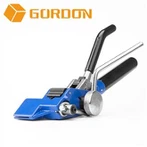
Because stainless steel is rigid, installation sometimes requires tools. Ball-lock designs are fast and secure, while ladder-type designs are useful for adjustable tension applications. The cost is higher than nylon, but for critical applications-such as tunnel wiring, gas pipelines, or high-temperature machinery-stainless steel cable ties provide unparalleled reliability and long-term performance.


4. PVC Coated Stainless Steel Cable Ties: Corrosion Protection and Cable Safety Combined
PVC-coated stainless steel cable ties combine the strength of stainless steel with the soft protection of a PVC jacket. This hybrid design solves one of the biggest disadvantages of bare stainless steel: the sharp edges. In some applications, direct contact between stainless steel and cables can cause abrasion or potential damage to cable insulation. PVC coating adds a protective layer that cushions the cable, reduces wear, and improves friction.
These cable ties are especially valuable in industries where both strength and cable protection are required. Examples include automotive exhaust systems, subsea equipment, HVAC ducts, marine installations, anti-corrosion environments, and heavy machinery where vibration is constant. The PVC layer also provides additional chemical resistance and prevents corrosion from aggressive salty or industrial environments. It also electrically insulates the tie, which is helpful when avoiding direct metal-to-metal contact.
Temperature resistance is slightly lower than bare stainless steel because PVC has its own thermal limits, but the ties still perform well in moderately high temperatures. They offer excellent UV resistance, weather resistance, and long-term performance outdoors. For buyers who need both heavy-duty performance and cable protection, PVC-coated stainless steel cable ties are the ideal choice.
5. How to Choose the Right Cable Tie Material for Your Specific Application
Choosing the correct cable tie material is simply a matter of understanding your environment and performance requirements. Here are clear, practical guidelines to help buyers make the right decision:
Choose Nylon Cable Ties If:
The installation is indoors
Cost efficiency is important
Temperature is within -40°C to 85°C
UV exposure is minimal (unless choosing UV-resistant Nylon)
Chemical exposure is mild
Flexibility and ease of installation are needed
Typical applications include electrical cabinets, office cabling, home wiring, consumer electronics, and packaging.
Choose Stainless Steel Cable Ties If:
The environment involves extreme heat or fire risk
The installation is outdoors long-term
UV exposure is constant
Corrosion resistance is needed
Mechanical strength must be very high
Chemicals, acids, or solvents are present
Compliance for fire protection systems is required
Industries such as oil & gas, shipbuilding, railway, automotive, and engineering rely heavily on stainless steel ties.
Choose PVC Coated Stainless Steel Cable Ties If:
You need the strength of stainless steel but want to protect cable insulation
Vibration is high and cables may rub against the tie
Saltwater or chemicals are present
Equipment needs both corrosion resistance and flexibility
You are working on marine installations, HVAC, automotive exhaust systems, or industrial machinery
PVC-coated ties are excellent for applications where both durability and safety are major concerns.
6. Selecting the Right Material Ensures Long-Term Safety and Durability
Cable ties may seem like simple, inexpensive components, but the material behind them determines whether they last for months or decades. Nylon cable ties are economical and suitable for general applications. Stainless steel cable ties provide unmatched strength and durability in extreme conditions. PVC-coated stainless steel cable ties offer the perfect balance of heavy-duty performance and cable protection for vibration or corrosive environments.
Industrial buyers and engineers must evaluate temperature, UV exposure, chemicals, mechanical load, and installation environment before selecting the appropriate material. Making the right choice improves safety, reduces maintenance cost, and ensures long-term stability for electrical systems, pipelines, mechanical assemblies, and outdoor installations.