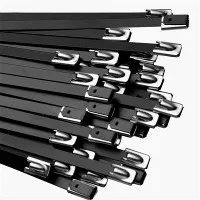
Cable connectors are more than just small accessories for securing cables; they protect electrical systems from dust, water, tension, vibration, corrosion, and other environmental risks.
1. Why Material Selection Matters for Cable Glands
The material of a cable gland determines how well it can protect the cable and electrical system throughout its lifespan. While all glands are designed to provide sealing and strain relief, different materials behave differently in extreme temperatures, harsh weather, corrosive environments, mechanical shock, and chemical exposure.
For example, if you install a nylon gland in a high-temperature metal factory, the heat may cause it to deform or crack over time. On the other hand, if you use a brass gland near the ocean with strong saltwater exposure, it may corrode faster unless it is properly plated. Stainless steel would survive that environment, but the cost may be higher than what your project needs.
Material selection also affects:
Waterproof rating (IP65, IP67, IP68)
UV resistance for outdoor applications
Compatibility with panel materials
Performance in hazardous locations
Long-term aging and durability
Mechanical strength and vibration resistance
Chemical corrosion resistance
In many industrial fields, the cable gland material must meet strict standards. For example, petrochemical plants often require stainless steel glands with ATEX certification. Outdoor telecommunications systems usually need UV-resistant nylon or brass glands. Marine systems rely heavily on stainless steel because of saltwater corrosion.


2. Nylon Cable Glands: Lightweight, Affordable, and Ideal for General Electrical Applications
Nylon cable glands, often made from PA66 (Nylon 66), are widely used because they are economical, easy to install, and provide excellent basic performance. They are a popular choice for electrical installers, automation equipment manufacturers, and panel builders who need reliable cable entry solutions without paying for metal components.
Nylon cable glands are especially valued for the following advantages:
● Lightweight and easy to handle
Nylon is much lighter than metal, which is useful for compact equipment, plastic enclosures, and applications where weight matters-such as portable equipment or LED lighting systems.
● Good resistance to moisture and chemicals
High-quality nylon glands are IP67 or IP68 rated, which means they can handle heavy rain, splashing water, and temporary immersion. They also resist many oils and chemicals commonly found in factories.
● Electrically insulating
Because nylon is non-conductive, it is a safe choice around sensitive electronics. It prevents accidental short circuits and reduces the need for grounding metal parts.
● UV and corrosion resistance
UV-stabilized nylon glands are suitable for outdoor installations like solar panels, antennas, and CCTV cameras. Nylon also does not corrode, making it better than brass in humid environments-although not as strong as stainless steel.
● Cost-effective for large-scale installations
For projects requiring hundreds or thousands of glands, nylon is the most economical option.
However, nylon is not suitable for every application. It has limitations when exposed to:
Very high temperatures
Strong acids or solvents
Heavy mechanical tension
High vibration environments
Fire or explosive atmospheres
3. Brass Cable Glands: Strong, Reliable, and Built for Industrial Performance
Brass cable glands are widely used in industrial environments because of their high strength and durability. They are typically nickel-plated to improve corrosion resistance and appearance. Compared with nylon, brass is more suitable for heavy-duty applications where cables face mechanical stress, vibration, high temperatures, or outdoor exposure.
Here are the main advantages of brass cable glands:
● Excellent mechanical strength
Brass can withstand high pressure, impacts, and repeated cable movement. This makes it ideal for motors, generators, pumps, machine tools, conveyors, and high-vibration environments.
● Long service life
Properly plated brass resists oxidation and corrosion in most industrial conditions, providing decades of reliable operation.
● High temperature resistance
Brass cable glands maintain sealing performance at temperatures that would deform nylon.
● Ideal for EMC and shielded cables
Brass glands can be designed with grounding springs or clamping elements to provide EMC shielding. This is essential for communication systems, signal cables, and electronic control systems.
● Suitable for indoor and outdoor use
Nickel-plated brass resists moisture, dust, oil, UV, and moderate chemicals.
Brass, however, is not perfect for every situation. It may not perform well in:
Strongly acidic environments
Marine saltwater conditions
Heavy chemical processing facilities
4. Stainless Steel Cable Glands: Maximum Protection for the Harshest Environments
When maximum durability and corrosion resistance are required, stainless steel cable glands-especially 316 stainless steel-offer the highest performance. They are the strongest and most corrosion-resistant option among all cable gland materials.
Stainless steel glands are essential in environments that nylon and brass cannot withstand:
● Extreme corrosion resistance
316 stainless steel contains molybdenum, which significantly improves resistance to saltwater, acids, solvents, and industrial chemicals. This makes it the top choice for:
Marine vessels
Offshore oil platforms
Coastal installations
Food processing plants
Chemical factories
Pharmaceutical production
● High mechanical strength
Stainless steel withstands impact, crushing, vibration, and tension far better than nylon or brass. It does not deform easily, which is important for mining machinery, heavy vehicles, and railway systems.
● High temperature performance
Stainless steel glands maintain structural strength and sealing properties even at very high temperatures, making them suitable for furnaces, refineries, and engine compartments.
● Fire and explosion safety
Stainless steel glands are often required in hazardous environments with ATEX or IECEx certification. They do not burn or weaken under heat and can contain flame propagation through cables.
● Longest operational life
In demanding conditions, stainless steel glands can last decades with minimal maintenance.
5. Comparing the Three Materials: Which One Fits Your Application?
To make the decision easier, here is a simplified comparison:
| Application Environment | Best Material | Why |
|---|---|---|
| Indoor electrical cabinets | Nylon | Lightweight and cost-effective |
| General outdoor use | Nylon or Brass | Nylon for cost; Brass for strength |
| High vibration machinery | Brass | Superior mechanical strength |
| Oil, grease, factory environments | Brass | Durable and heat resistant |
| Marine or coastal environments | Stainless Steel | Best corrosion resistance |
| Chemical and petrochemical | Stainless Steel | Withstands strong chemicals |
| Food or pharmaceutical production | Stainless Steel | Hygienic and long-lasting |
| Hazardous/explosion-proof areas | Stainless Steel | Preferred for ATEX/IECEx |
| Heavy industrial equipment | Brass or Stainless Steel | High durability and stability |
| High-volume manufacturing projects | Nylon | Low cost and easy installation |
6. Final Recommendations: How to Make the Best Material Choice for Your Project
The right material for cable glands depends on balancing cost, environment, mechanical requirements, and safety standards. Before making a decision, consider these factors:
● Where will the gland be installed?
Indoor? Outdoor? Marine? Chemical plant? Machinery?
● What conditions will it face?
Heat, UV, vibration, oil, saltwater, chemicals, fire hazards.
● How critical is long-term durability?
Consumer electronics have different needs than offshore drilling platforms.
● What cable type is used?
Shielded cables may require brass or stainless steel EMC glands.
● What certifications are required?
UL, CE, ATEX, IP68, ROHS, REACH, IECEx, etc.
● What is the project budget?
Nylon is cheapest, stainless steel is most expensive.
In simple terms:
Nylon is great for light-duty and general electrical use.
Brass is strong, reliable, and perfect for most industrial situations.
Stainless Steel is the premium choice when maximum protection is required.
By understanding the strengths and limitations of each material, you can choose the ideal cable gland that delivers the right balance of performance, durability, and cost. Whether you are building a control panel, assembling industrial machinery, designing outdoor equipment, or installing systems in harsh environments, the right material ensures safety and long-term reliability.