As an important infrastructure for energy extraction, offshore oil platforms are exposed to highly corrosive marine environments all year round and face multiple safety challenges such as salt spray erosion, extreme temperature and pressure changes, mechanical shock, and flammable and explosive gases. Under such complex and high-risk working conditions, the stability and safety of the electrical system are particularly critical, especially the reliable connection and sealing of the cable system. Cable glands, as key components for connecting cables to equipment and control cabinets, not only bear the basic functions of waterproofing, dustproofing, tensile resistance, and corrosion resistance, but also shoulder the heavy responsibility of explosion-proof safety and electrical grounding continuity. High-performance marine-grade cable glands are the first line of defense to ensure the long-term and reliable operation of the electrical system of offshore oil platforms.
Content
1. Core technology: Safety design mechanism of marine cable joints
2. Safety management practice throughout the life cycle
3. Industry standards and certification system
4. Case studies: Failure analysis and technological evolution
5. Conclusion: Future safety trends and suggestions
1. Core technology: Safety design mechanism of marine cable joints
The extreme conditions in the marine environment require cable connectors to have excellent safety and reliability. In order to cope with challenges such as high corrosion, deep sea pressure, vibration and shock, modern marine cable connectors adopt multiple safety designs to ensure the stable operation of electrical systems under harsh conditions.
Triple seal protection
- Waterproof seal: Marine cable connectors usually adopt IP68 waterproof structure, which can effectively resist deep sea pressure. Through the design of multi-layer silicone seal ring and compression ring, the cable connector can still maintain excellent waterproof performance under long-term immersion and high pressure environment, avoiding water intrusion into the cable and protecting the electrical system from moisture.
- Explosion-proof design: Explosion-proof design that complies with ATEX and IECEx standards is the key to ensure the safe operation of electrical equipment in high-risk environments such as offshore oil platforms. The internal structure of the cable connector can effectively block electric sparks and arcs to prevent them from igniting surrounding flammable gases, greatly reducing the risk of explosion.
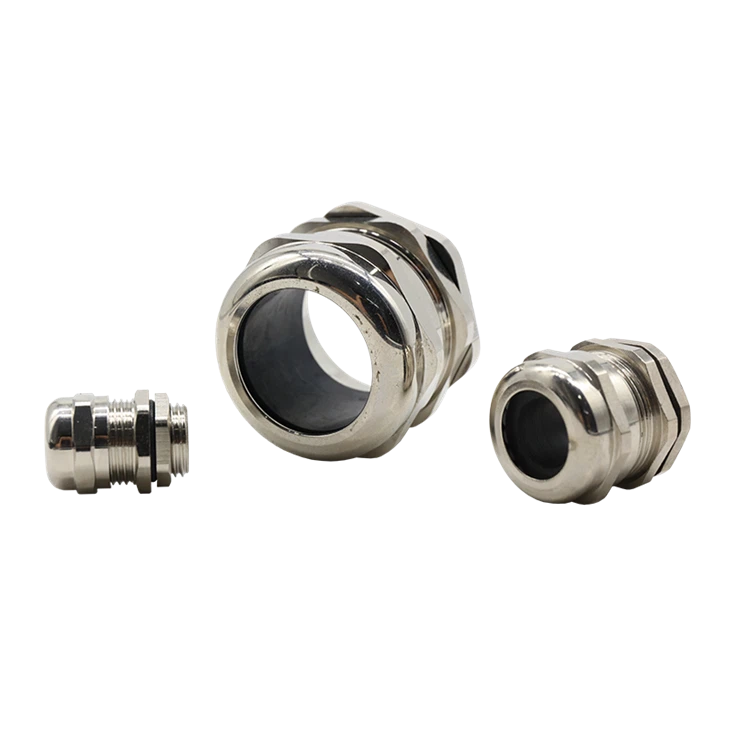
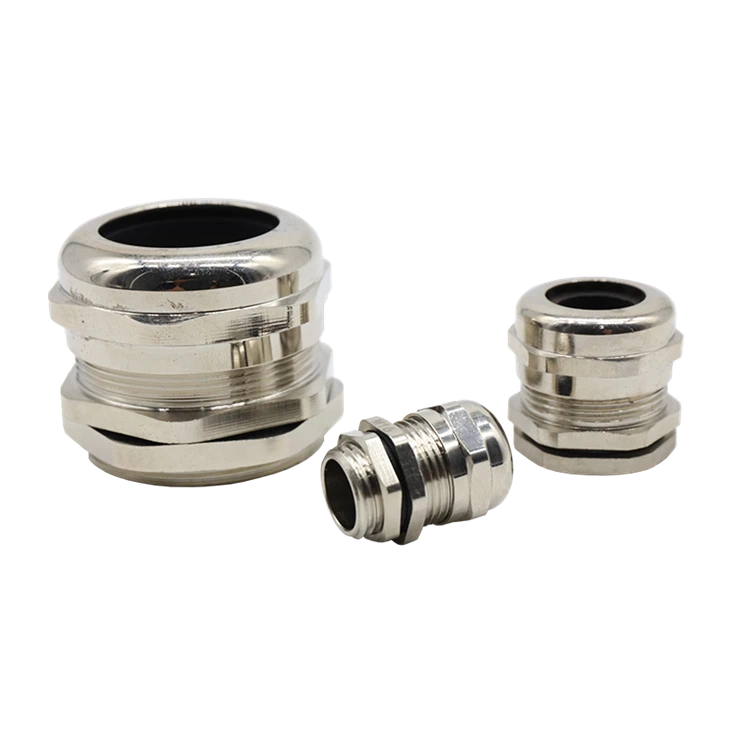
- Anti-corrosion materials: The corrosion problem in the marine environment is particularly severe. Therefore, marine cable connectors are mostly made of anti-corrosion materials such as 316L stainless steel, nickel aluminum bronze or engineering plastics. These materials not only have strong corrosion resistance, but also maintain structural integrity in long-term seawater immersion, ensuring the durability and safety of cable joints.
Mechanical protection mechanism
- Tensile armor: Marine cable joints are designed with steel belt armor function, which can effectively lock the tension of the cable to prevent the cable from falling off or being damaged due to excessive tension during ship operations. The armor design enhances the mechanical strength of the joint and ensures the stability of the cable system in high vibration and strong tension environments.
- Anti-vibration loosening: In order to avoid loosening of the joint due to long-term vibration, the marine cable joint adopts a self-locking nut and torque limiting design. This design can effectively resist the negative impact of vibration, ensure that the cable joint is always tight, and avoid poor electrical contact or system failure due to loosening.
Through these precision designs and technologies, marine cable joints can not only meet the safety requirements in harsh marine environments, but also ensure the long-term stable operation of facilities such as oil platforms and offshore wind power, and ensure the safe exploitation and utilization of marine energy.
2. Safety management practice throughout the life cycle
As a vital electrical connection component in marine energy facilities, the safety management of marine cable joints throughout their life cycle is crucial. Effective management practices can not only improve the stability and reliability of the system, but also extend the service life of the equipment and reduce the occurrence of failures. The safety management of marine cable joints can be divided into the installation stage, the operation and maintenance and monitoring stage, and the emergency repair stage. Each link must be strictly controlled and implemented to ensure the safe operation of the cable system.
Key control points in the installation phase
- Construction window selection: When installing marine cable joints, it is crucial to choose a suitable construction window. Usually, it is necessary to make precise selections based on sea conditions and weather conditions to ensure safety during the construction process. The wind speed should be controlled at ≤8, the wave height should be ≤4, and the visibility should be greater than or equal to 1 nautical mile. These conditions can ensure the safety of construction workers and the reliability of construction quality.
- Bending radius control: During the installation of the cable, it is necessary to avoid a bending radius that is too small, which will cause damage to the cable insulation layer. According to relevant standards, the minimum bending radius of the cable should be more than 20 times the cable diameter. This measure can effectively protect the cable from external damage, thereby avoiding insulation failure or cable failure.
Operation and monitoring
- Regular high-voltage insulation testing: In order to ensure the long-term stability and safety of cable joints in the offshore environment, regular high-voltage insulation testing is essential. According to the DL/T 393-2010 standard, high-voltage testing can detect the insulation status in the cable system, timely detect possible defects or potential faults, and prevent problems such as electrical leakage or short circuit.
- Submarine route inspection: The operating safety of submarine cables is closely related to the submarine environment, and regular route inspections are required. Through sonar detection technology, the path of submarine cables can be effectively monitored, possible anchor damage or interference with fishing activities can be detected in time, and the impact of external physical damage on cables can be avoided. In addition, inspections also help to confirm whether the cable is affected by changes in the marine environment, so as to take necessary protective measures.
Emergency repair specifications
- Fault location and repair: When a cable fails, timely and accurate fault location is the key to restoring the normal operation of the system. Through technical means such as the differential voltage method, the location of the fault can be accurately located and the fault point can be quickly diagnosed. This provides an accurate basis for subsequent repair work and reduces repair time and cost.
- Wet joint quick repair technology: In the event of a submarine cable failure, the wet joint repair technology can restore the normal use of the cable in a short time. Wet joint technology has the characteristics of quick connection, strong sealing and good pressure resistance, which can effectively ensure the safety and reliability of the repaired cable joints in harsh environments.
Through the above full life cycle safety management practices, marine cable joints can be effectively guaranteed at different stages. Whether in the installation, operation and maintenance or emergency repair process, strict technical standards and management measures can ensure the long-term and safe operation of the marine cable system in a complex marine environment, thereby providing strong support for the stable operation of offshore energy facilities.
3. Industry standards and certification system

The industry standards and certification system for marine cable connectors are crucial in ensuring product quality and safety, especially in complex and high-risk marine environments. Internationally, IEC 60079 explosion-proof certification is a key standard to ensure the safe operation of cable connectors in explosive hazardous environments, while ISO 1704 marine connector standard focuses on the use requirements of cable connectors on marine vessels to ensure that they can adapt to the harsh marine climate and working environment.
In China, the design and construction of marine cable connectors must also follow a series of special requirements. GB/T 51191-2016 Submarine Cable Construction Specifications stipulates the installation and construction operation standards for submarine cables to ensure that cable connectors can withstand various pressures and challenges in the submarine environment; while DL/T 1278-2013 Operating Procedures provide detailed guidance on the operation and maintenance of cable connectors in power systems to ensure the efficiency and safety of cable connectors in actual operation. These industry standards and certification systems provide strict safety assurance and quality control for the application of marine cable connectors.
4. Case studies: Failure analysis and technological evolution
Failure analysis and technological evolution of marine cable plugs reveal the harsh test of marine environment on cable connectors and promote the development of innovative solutions. Typical accidents such as short circuits caused by seal failure are often caused by corrosion of connectors or aging of sealing materials. Taking an offshore oil platform as an example, the corrosion of the cable connector caused seal failure, which in turn caused a shutdown accident, which shows the safety hazards of marine cable connectors in extreme environments.
In order to meet these challenges, innovative technical solutions have been proposed in the industry. The intelligent cable connector developed by Tongbei has a built-in temperature and humidity sensor, which can monitor the working environment of the cable connector in real time and warn of potential failure risks in advance, effectively improving the reliability of the electrical system. In addition, the application of composite materials, such as carbon fiber reinforced polymer (CFRP), has performed well in improving the strength-to-weight ratio of cable connectors. These new materials not only enhance the mechanical strength of the connector, but also improve its corrosion resistance and fatigue resistance, ensuring its long-term stable operation in the marine environment.

5. Conclusion: Future safety trends and suggestions
The future safety trend of marine cable joints will be centered on intelligence and cross-industry collaboration. In terms of intelligence, the Internet of Things (IoT) technology can be used to monitor the joint status in real time, monitor key parameters such as temperature and humidity, and warn of potential failures in advance to improve the stability and safety of the system. In terms of cross-industry collaboration, the joint research and development of energy companies and cable manufacturers will be committed to customized solutions, especially the development of cable joints in deep waters and high-pressure environments. This cooperation will ensure that cable joints have stronger pressure resistance and corrosion resistance under extreme conditions to meet the special needs of marine energy extraction. The combination of intelligence and cross-industry cooperation will surely promote the development of marine cable joint technology in a more efficient and safe direction.